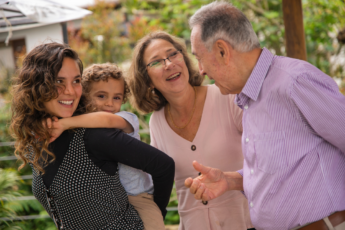

What does domestic violence look like?
For many people, the answer is shaped by stereotypes: a particular kind of relationship, family, neighborhood, or person. But there is no single profile of a survivor, and abuse does not happen only to certain people or in certain communities.
Domestic violence affects people of every age, race, gender, income level, culture, and background. Survivors may be our neighbors, coworkers, friends, family members, or people we interact with every day without ever knowing what they are experiencing.
That is why challenging our assu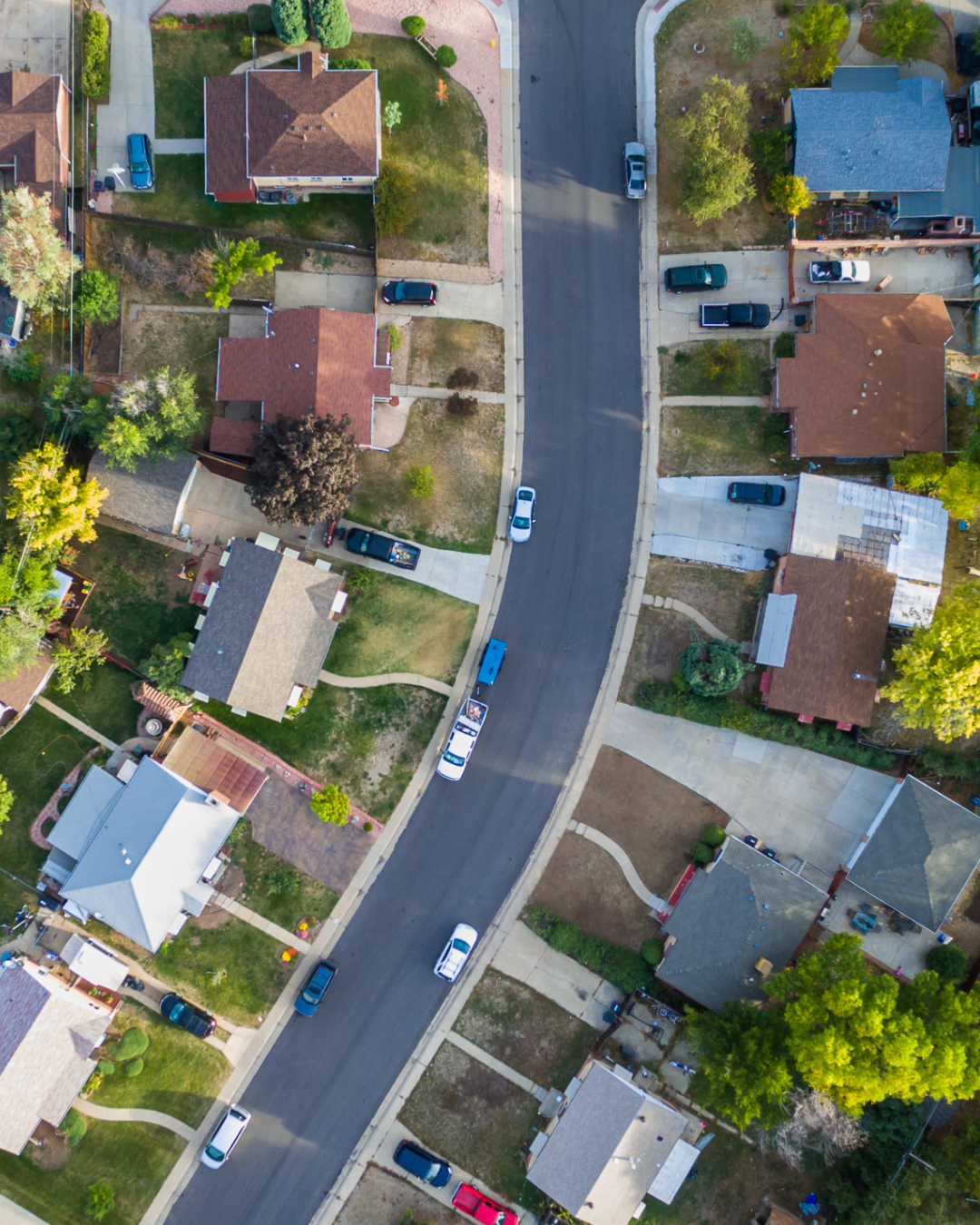 mptions matters. When we believe domestic violence only happens to someone else, we can miss the signs, dismiss someone’s experience, or fail to recognize when a person needs support.
At RESPOND, we see every day that there is no single story of domestic violence. Every survivor’s experience is different and every one of them deserve access to safety, support, and a community that believes them.
Domestic Violence Is More Common Than We Think
Domestic violence is not a rare or isolated experience. According to the Centers for Disease Control and Prevention (CDC), about 1 in 3 women and 1 in 4 men in the United States experience physical violence, sexual violence, and/or stalking by an intimate partner during their lifetime.
Behind those numbers are people we know and communities we share.
Domestic violence can affect someone regardless of their age, profession, income, education, or circumstances. A survivor may be a colleague sitting across from you at work, a friend you speak with every week, a family member you see at holidays, or a neighbor you greet on the street.
And often, there aren’t obvious signs…
Abuse Does Not Always Look the Way We Expect
Physical violence is one form of domestic violence, but abuse can take many forms, including monitoring a partner’s phone, controlling access to money, isolating them from friends and family, interfering with their work, or using threats and intimidation to maintain control. Because these behaviors often happen behind closed doors, they may be invisible to the people around a survivor.
Survivors may also face significant barriers to speaking about what they are experiencing, including fear of retaliation, concerns about their children, financial dependence, isolation, or uncertainty about where to turn. They may continue working, caring for their families, attending school, and participating in their communities while navigating abuse behind the scenes.
That’s why helping to end domestic violence starts with recognizing that abuse can affect people in any community, including communities like our own. When we understand that domestic violence may be closer than we realize, we can help create communities where people feel safe asking for help and know they will be met with support, not judgment.

Domestic Violence Is a Global Issue, But Change Starts Close to Home
The World Health Organization estimates that nearly 1 in 3 women globally have experienced physical and/or sexual violence, most often by an intimate partner.
These statistics represent millions of individual experiences, each with its own circumstances and barriers to safety.
While domestic violence is a global issue, change can take place one community at a time. Awareness, education, accessible resources, and supportive relationships can make it easier for someone experiencing abuse to recognize that what is happening to them is not their fault and that help is available.
We All Have a Role in Creating Safer Communities
You do not have to be a domestic violence expert to support someone experiencing abuse. Sometimes, small actions can have a lasting impact.
You can:
- Listen without judgment. If someone shares their experience, believe them and let them know they are not alone.
- Respect their choices. Leaving an abusive relationship can be complicated and dangerous. Survivors know their own circumstances best.
- Challenge harmful myths. Speak up when you hear victim-blaming or assumptions about what a survivor “should” have done.
- Learn about local resources. Knowing where survivors can turn for confidential support can make it easier to connect someone with help when they are ready. RESPOND is here to provide that support.
- Support organizations serving survivors. Community support helps organizations like RESPOND provide the services people need to find safety and rebuild their lives.
You may never know when someone in your community needs support. But creating a culture of understanding means that when they are ready to reach out, they are more likely to find someone who will listen.
When we move away from the idea that domestic violence only happens to certain people, we make space for greater understanding and support. Together, we can help create communities where survivors are believed, supported, and never alone.
Support Is Available
RESPOND advocates provide confidential support, safety planning, emergency shelter, housing assistance, and resources to help survivors navigate their next steps.
If you or someone you know may be experiencing domestic violence, support is available. Reaching out for help is a powerful first step. No one should have to face abuse alone.
Contact RESPOND’s Support Line at (617) 623-5900 or contact us to learn more about available resources.