

Blog

What Does ‘Reaching Safety’ Really Mean?
Safety is often talked about like a destination. But what do you visualize when you reach it? Close your eyes for a moment. What does safety look like to you? Is it a locked door? A place to sleep? Enough money for rent? A neighborhood where you know your neighbors? Having a friend who......
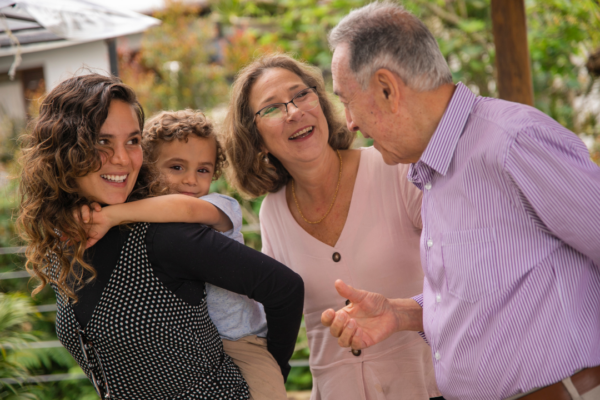
Creating a Lasting Legacy: How Planned Giving Supports Survivors
What could RESPOND do with a gift of $100,000? A gift of $100,000 could help sustain a critical staff position, strengthen services for survivors, or give RESPOND the flexibility to meet needs as they emerge. It could help ensure that when a survivor reaches out, whether today or years from now, someone is there to......

Domestic Violence Can Happen Anywhere: Why Community Support Matters
What does domestic violence look like? For many people, the answer is shaped by stereotypes: a particular kind of relationship, family, neighborhood, or person. But there is no single profile of a survivor, and abuse does not happen only to certain people or in certain communities. Domestic violence affects people of every age, race, gender,......

“You’re Too Sensitive.”
What This Really Means and Why It Shows Up in Conversations About Harm It is a phrase many people hear in moments when they are trying to express discomfort, hurt, or concern. On the surface, it might sound like feedback. In reality, it often shifts attention away from what was said or done and redirects......
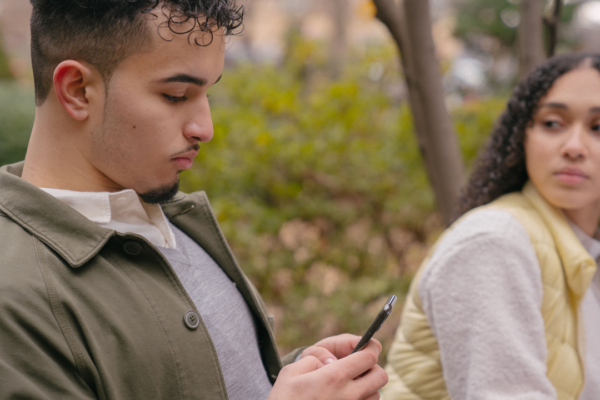
Jealousy vs Possessiveness
Jealousy alone is a feeling; it is internal. It does not have to change how someone treats another person. Possessiveness is different. It happens when that feeling turns into behavior....
You Can’t Fix Them
One of the most common and painful dynamics in relationships impacted by abuse is the belief that change is possible if you just try harder, stay longer, or love someone in the right way. ...

Naming What We Feel
One of the most important parts of healing is learning how to name what we feel. Not because naming solves everything, but because it gives shape to experience. ...

A Day in the Life on RESPOND’s Philanthropy and Engagement Team
At RESPOND, the Philanthropy and Engagement team works behind the scenes to help ensure survivors can access safety, shelter, advocacy, and support when they need it most. Their job is to communicate our mission to the public and build relationships with the generous community members who fund it. While their work may not always be......

What People Get Wrong About Leaving an Abusive Relationship
In society, a common question we hear when it comes to domestic violence is: “Why didn’t they just leave?” It sounds simple, but it misunderstands how abuse works and what survivors are navigating in real time. Leaving an abusive relationship is rarely a single decision. It is a process shaped by safety risks, financial barriers,......

Reality TV Isn’t Really Reality: How to Watch Your Favorite Shows Critically
Reality TV can certainly be entertaining, but it’s also not “real.” Producers craft story arcs, editors splice scenes to heighten drama, and casting often prioritizes personalities that will generate buzz — not authentic connections. After all, the show needs views and revenue. Some of the most popular reality TV shows involve dating. Many of the......