In abusive relationships, emotions are rarely simple. In fact, they’re usually the most complicated. Fear can sit beside love. Relief can show up alongside guilt. Confusion can sit just under the surface of everything else. Many people describe feeling “too much at once,” or, at times, nothing at all.
When emotions are layered like this, it can become difficult to make sense of what is happening internally, let alone explain it to someone else. One of the most important parts of healing is learning how to name what we feel. Not because naming solves everything, but because it gives shape to experience. When something has a name, it becomes easier to notice, understand, and work with.
At RESPOND, our counselors often begin exactly there, helping people find language for experiences that may feel overwhelming or unclear. That can mean distinguishing between anxiety and hypervigilance, sadness and grief, or emotional numbness and safety learned through shutdown. It can also mean recognizing that what someone has been told is “too sensitive” or “overreacting” may actually be a very accurate response to harm.
For many people, the challenge is not that emotions are absent, but that the vocabulary for them was never fully taught or was quietly discouraged. Over time, people learn to second guess what they feel, or to default to a few broad labels like “fine,” “stressed,” or “upset,” even when their internal experience is far more complex.
This is often shaped by broader social expectations. Many of us are taught, directly or indirectly, which emotions are acceptable and which are not. For example, individuals socialized as women are often discouraged from expressing anger, even in situations where anger is a completely valid response to violation or injustice. When anger has no safe outlet or language, it can turn inward as self-blame, or build quietly until it feels overwhelming or confusing.
At the same time, individuals who are socialized as men are frequently discouraged from expressing vulnerability, sadness, or fear. When those emotions are not named or supported, they can become harder to recognize at all, sometimes showing up instead as irritability, withdrawal, or emotional disconnection. In both cases, the emotion does not disappear. It becomes harder to understand, harder to communicate, and harder to heal from.
Learning to name emotions is not about labeling feelings perfectly. It is about expanding what is possible to notice in ourselves. Even a small shift in language can create space between a feeling and a reaction. In that space, there is often more clarity, more choice, and more self understanding.
This is part of the work we do at RESPOND. Healing is not only about safety from harm, but also about rebuilding connection to self.
For anyone wanting to explore emotional language more deeply, there are some helpful resources that can offer structure and vocabulary:
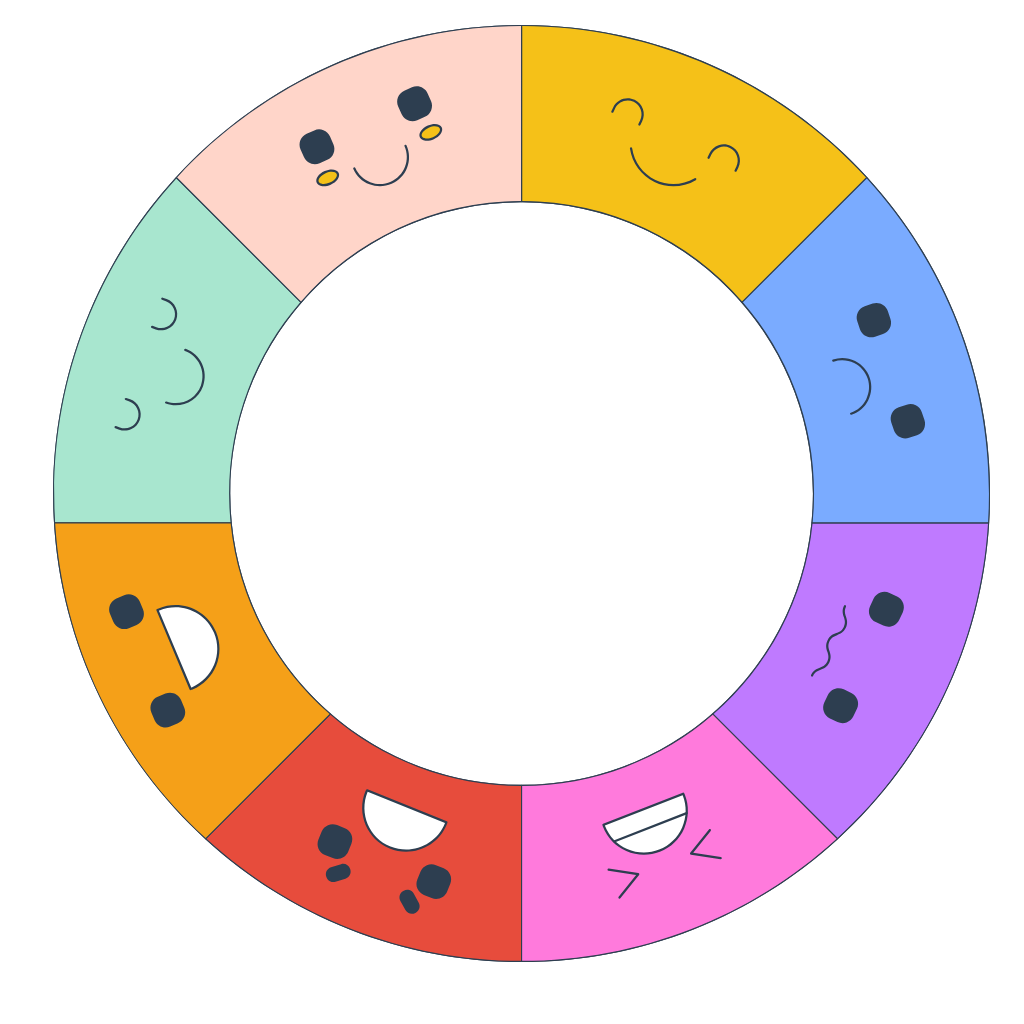
trust what we feel.
- Atlas of the Heart by Brené Brown offers a detailed map of emotions and the words we use to describe them, helping distinguish between feelings that often get grouped together.
- Emotion/Feeling wheels can also be helpful visual tools for expanding emotional vocabulary beyond basic categories like happy, sad, or angry.
These resources can support reflection and help survivors begin putting words to their experiences, but they are not a replacement for verbal support. Emotions can be difficult to untangle alone after experiences of abuse. Talking with a counselor helps individuals sort through conflicting feelings, recognize patterns, and better understand what they are experiencing. Emotions are not problems to be solved. They are signals that help us better understand our needs, responses, and experiences.
At RESPOND, we believe that finding language for what we feel is an important step toward healing. If you are struggling to talk about or make sense of your experiences in an abusive relationship, our counselors are here to listen and support you.
You never need to have the “right” words or know exactly what to say to reach out for help. Call our Support Line at (617) 623-5900, Monday through Friday, 9 AM–5 PM.


