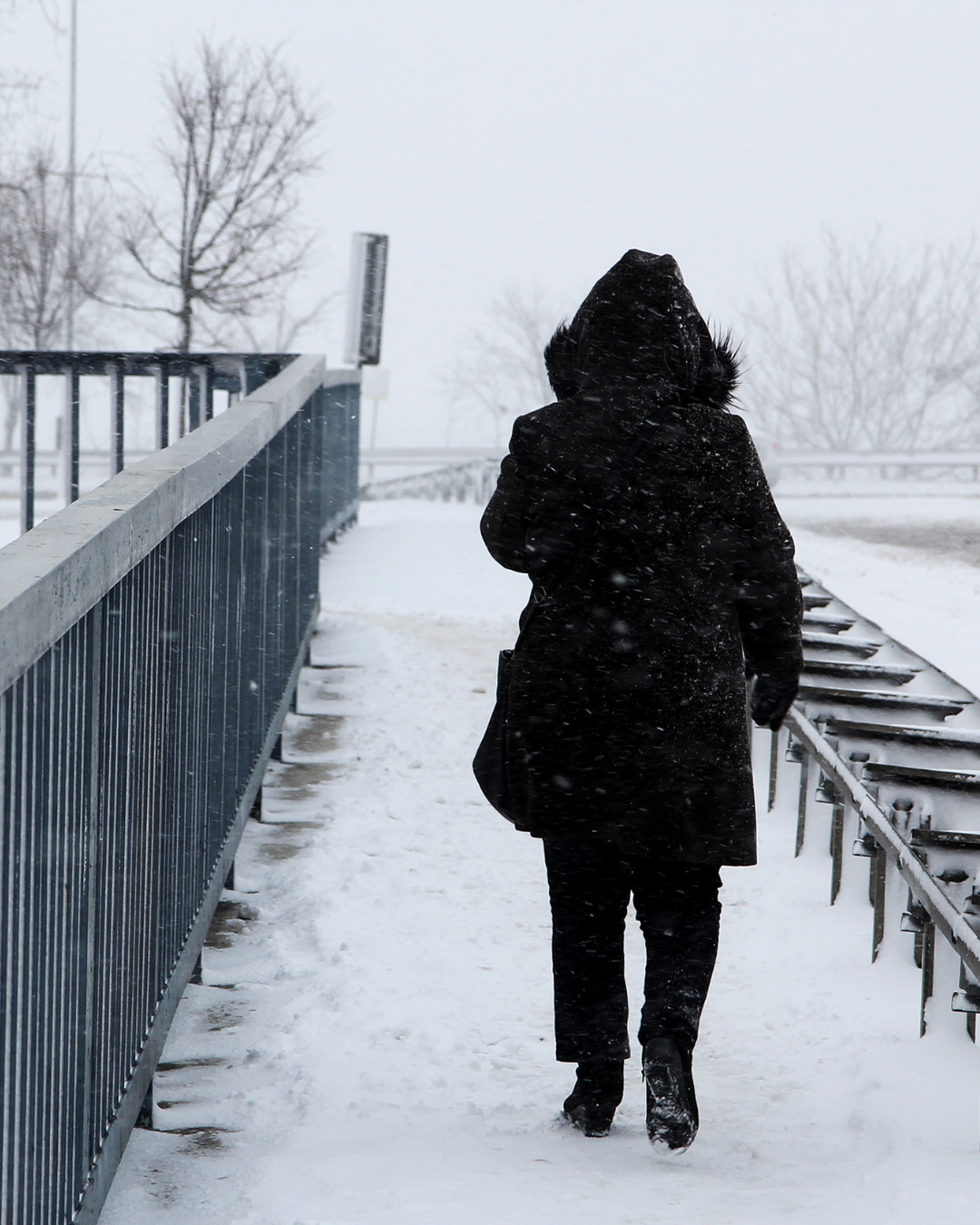
 Winter in New England brings quiet streets, early sunsets, and biting cold. For survivors of domestic violence, the season can bring heightened risks that often go unseen. At RESPOND, our advocates hear the same worry every year as temperatures drop:
“I don’t know where to go.”
“I don’t want to put my kids through another night in the cold.”
“If I stay, I’m not safe. If I leave right now, I’m not either.”
Winter magnifies the dangers that survivors already face. Understanding these pressures helps us better support those working toward safety, stability, and a life free from violence.
Why Winter Makes Leaving Even Harder
- Fewer Options
When survivors leave, many face the risk of becoming unhoused. In some cases, a car may seem like the only immediate option, but it is far from safe, especially in winter’s freezing temperatures. Housing resources, from emergency shelters to warming centers, are in higher demand during the cold months, and a survivor might be ready to leave but find nothing open, available, or safe that night.
- Cold Weather Intensifies Control Tactics
Abusers often use environmental factors to exert power. In winter, this can show up as withholding coats, turning off the heat, monitoring car keys, or restricting access to money for basic needs. Survivors tell us these tactics become especially scary when temperatures fall.
- Financial Barriers Hit Harder
Winter comes with added expenses: higher utility bills, snow gear for children, car repairs, holiday costs, and increased spending on food during school breaks. For survivors already managing financial abuse, these seasonal spikes can be overwhelming.
- Isolation Deepens
Winter often leads to more time indoors, fewer social gatherings, and less day-to-day contact with friends or family. When survivors have fewer chances to connect with others, abusers may use that reduced visibility to tighten control or limit access to support.
How RESPOND Shows Up in Winter
Despite the challenges, survivors are never alone. This season, our team is:
- Providing survivors with coats, boots, and warm clothing
• Offering flexible, trauma-informed safety planning and emotional support that accounts for weather, transportation barriers, and overwhelm
• Coordinating emergency housing and financial assistance resources; navigating waiting lists, eligibility rules, and transportation challenges to find safe options
• Ensuring families have basic necessities, from heat support to holiday food
Winter may be harsh, but safety shouldn’t depend on the temperature.
How You Can Help
Community support is critical this time of year. Consider:
- Donating to help keep survivors warm and safe
• Sharing information about our support line (Available M-F 9AM-5PM)
• Checking in on friends, neighbors, or coworkers who may be out of touch
Your support helps ensure that when someone says, “I need to get out now,” RESPOND can answer, regardless of the weather.


