

Blog
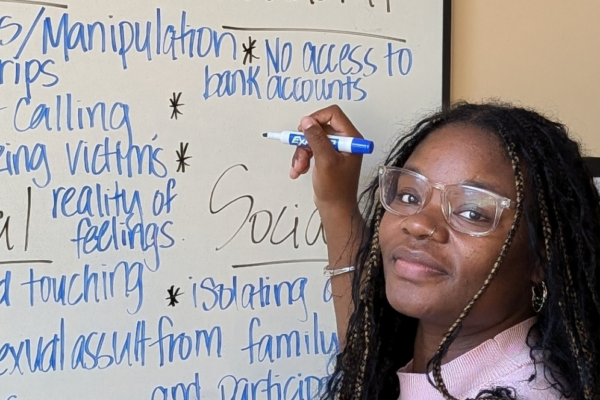
A Day in the Life of a RESPOND SAFER Counselor
The Survivors of Abuse Feeling Empowered for Re-entry (SAFER) program is a one-of-a-kind partnership between RESPOND and the Suffolk County Sheriff’s Department, supporting women who are incarcerated or detained as they process experiences of domestic violence and plan for a safe, stable place to go once they’re released. My name is Kahdijah, and I am......
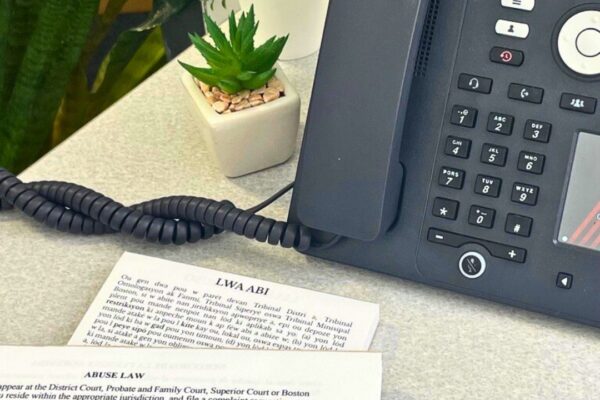
Behind the Support Line
At RESPOND, we recognize that it is never as simple as “just leaving.” Our support line is a resource for any survivor, confronting any kind of abuse, from any relationship. As counselors managing the support line, we know there are innumerable barriers to fleeing violence. Survivors often face financial instability, the risk of homelessness, lack......

The Role of the Board: Dedicated Leaders Driving Change
When people think of nonprofit leadership, many picture the board of directors—but what that board actually does can be a mystery. Who are they? Why are they there? And what do they do? The truth is, a board’s role looks different in every organization. It often depends on the needs of the CEO and the......

Domestic Violence in the Digital Age: The Rise of Tech-Enabled Abuse
According to the National Network to End Domestic Violence, 97% of U.S. domestic violence programs report that survivors have experienced abuse involving technology. Tech-enabled abuse refers to the use of technology to exert power, control, and intimidation over someone. As technology becomes more advanced and accessible for more people, abusers can have more ways of......

The Ripple Effect: Inspiring the Next Generation of Givers
Behind every contribution lies a ripple effect that changes lives, strengthens communities, and creates lasting impact. At RESPOND, we see this every day. One donation can help survivors find safety, a family rebuild their future, and an entire community grow stronger. Yet, across the country, giving is declining, especially among younger generations. According to Giving......

A Letter to Those Experiencing Secondary Trauma
To the supporter who can’t shake a survivor’s story at the end of the day. To the friend or family member who’s supporting someone through an abusive relationship. To the teacher who suspects something is wrong at home but doesn’t know what to do. To the counselor, housing specialist, shelter volunteer, or intern — this......
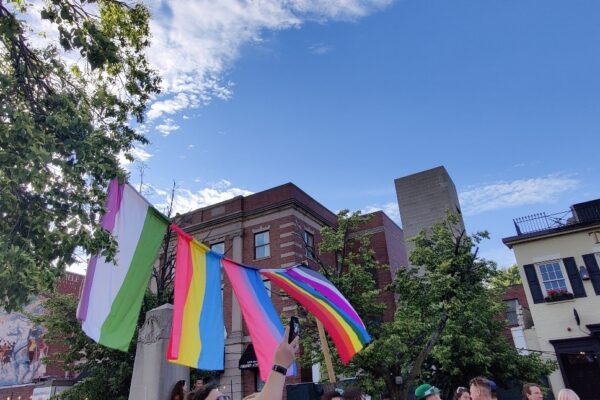
Pride Month: Empowering LGBTQ+ Survivors and Creating Safe Spaces
At RESPOND, we believe everyone deserves to live free from violence—no matter who they are or who they love. This Pride Month, we celebrate the strength of the LGBTQIA+ community and reaffirm our commitment to creating safe, affirming spaces for all survivors. The Reality: LGBTQIA+ Communities and Domestic Violence While domestic violence affects people of......

The Journey of a Grant: From Application to Impact
Nonprofits like RESPOND rely on a diverse mix of support to drive their missions forward: government funding, individual donations, event proceeds, business partnerships, corporate matching gifts, and one especially critical yet often behind-the-scenes source, foundation grants. Foundation grants can fund specific projects, essential services, or even general operations. They are often the key to launching......
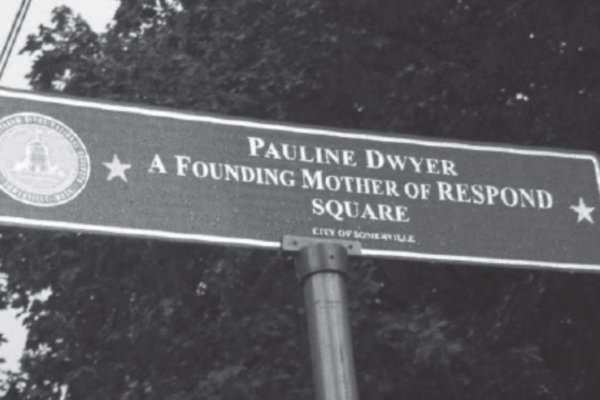
Happy Mother’s Day: Honoring RESPOND’s Founding Mothers and Wide Network of Supporters
This Mother’s Day, we honor the courage, compassion, and drive of the RESPOND’s founding mothers—a group of women who took their shared vision and turned it into an organization that has saved countless lives. Honoring the Founding Mothers & Supporters of RESPOND In the early 1970s, domestic violence was a hidden crisis, rarely talked about.......

Reconnecting with Nature this Spring: The Transformative Power of Being Outdoors for DV Survivors
As the days grow longer and the trees turns green again after a long winter, many of us feel a natural pull to be outdoors. Whether it’s the urge to take a walk through the woods, the view of bees buzzing around freshly bloomed flowers, or the fresh scent of rain-soaked soil, different aspects of......